Car, Truck & Rideshare Accidents
New York car accident lawyer.
No-fault pays the bills. It does not pay for what you lost.
New York's no-fault system covers basic medical bills and part of your wages no matter who caused the crash. Full compensation, including pain and suffering and future losses, comes from a lawsuit against the driver who hurt you. That path runs through the serious injury threshold, and it starts with a 30-day deadline most people miss.
Injury cases are handled on contingency under a written retainer, sometimes together with co-counsel. The retainer names who works on your case and sets out the fee, any division of it, and the court costs and case expenses you may remain responsible for.
Reviewed by Daniel Hochman, Esq. · Last updated November 1, 2026

After a New York car crash, no-fault insurance pays basic medical bills and part of your lost wages, up to $50,000, whoever caused it, if the application reaches the insurer within 30 days. Pain and suffering comes from a lawsuit against the driver, generally within three years, and only for a serious injury under Insurance Law § 5102(d); for cases started on or after May 26, 2026, the 90-of-180-days category no longer counts. Since 2026, CPLR 1411 bars recovery when your share of fault is greater than that of the person you sue, or of all defendants combined.
The 30-day deadline nobody tells you about.
INSURANCE LAW · NO-FAULT (PIP)
After a New York motor vehicle accident, a no-fault application generally must be filed with the insurer within 30 days. Miss it and you can lose basic medical and wage benefits regardless of fault. This is the first thing we handle on every intake.
The serious injury threshold.
INSURANCE LAW § 5102(d)
To sue for pain and suffering after a car accident, New York requires a serious injury as the statute defines it: a fracture, significant disfigurement, a significant limitation of use of a body function or system, a permanent consequential limitation of use of a body organ or member, and a few others. For cases started on or after May 26, 2026, the old category for an injury that kept you from your usual activities for 90 of the first 180 days no longer counts. Insurers fight the threshold in nearly every case. Meeting it is a matter of medical proof: the right records, the right imaging, the right physician findings, assembled early.
Where the money actually comes from.
Recovery is limited by insurance and assets, so we chase every layer: the other driver's liability policy, your own supplementary underinsured motorist (SUM) coverage, umbrella policies, and employer liability for drivers on the job. Truck and rideshare cases carry larger commercial policies and their own regulations. In hit-and-run and uninsured cases, your uninsured motorist coverage or MVAIC may apply. Most people have coverage they do not know they own; we read every policy.
What drives value.
- Surgery, injections, or hardware
- Objective imaging: herniations, tears, fractures
- Lost earnings and diminished ability to work
- Future medical needs
- Available insurance across all layers
Deadlines.
The no-fault application is generally due in 30 days. Most lawsuits against the at-fault driver must be filed within three years, and claims involving city or public vehicles require a notice of claim within 90 days. Vehicle damage gets repaired and camera footage gets erased quickly. Preservation letters should go out immediately. Our first 72 hours checklist covers what to photograph, whose names to get, and what not to sign while you are still sore.
Hit as a pedestrian or on a bike.
If a car hit you while you were walking or riding, the car's no-fault insurance usually pays your medical bills and part of your lost wages, up to $50,000, no matter who caused the crash. The 30-day application deadline applies to you too, and medical bills must reach the insurer within 45 days of each visit. For pain and suffering you still need a serious injury, and the driver's liability insurance pays that claim. Drivers must take care to avoid hitting pedestrians and cyclists, and a driver who was turning, speeding or on a phone usually carries most of the fault. E-bike and scooter riders face extra insurance fights; see e-bike and delivery rider accidents.
What changed in 2026.
CPLR 1411 · INSURANCE LAW § 5102(d)
New York's 2026 budget changed car accident cases in two ways that matter at intake. First, in motor vehicle injury cases a person whose share of fault is greater than that of the person you sue, or of all defendants combined, can no longer recover at all; at half or less, the award is reduced by that share. Second, for cases started on or after May 26, 2026, being kept from your usual activities for 90 of the first 180 days is no longer a serious injury by itself. Fractures, permanent and significant limitations, and the other categories remain. Both changes make early medical proof and early fault evidence more important than they were.
Deadlines at a glance.
| What | Who | When |
|---|---|---|
| No-fault application | The insurer | 30 days |
| Medical bills to the no-fault insurer | Your doctors | 45 days |
| Notice of claim, City or MTA vehicle | The City, the MTA | 90 days |
| Lawsuit against a public body | The City, the MTA | 1 year and 90 days |
| Lawsuit against the driver | The driver and insurer | 3 years |
in New York
Read this first, free
After a crash or fall in New York: the first 72 hours.
What to photograph, the driver details to get, what not to sign, and the 30-day no-fault deadline.
Read the free guideQuestions people ask us.
The insurance company already offered me money. Should I take it?
Not before you know what the case is worth. Early offers are made before the full extent of injury and treatment is known, and accepting one generally ends the claim forever. Have the offer reviewed first; the consultation is free.
I was partly at fault. Do I still have a case?
Usually, if your share is half or less. Since 2026, New York bars recovery in motor vehicle injury cases only when your share of fault is greater than that of the person you sue, or of all defendants combined, and otherwise reduces the award by your share. Fault evidence gathered early, like video, photos and witnesses, often decides which side of that line you land on.
What if the driver who hit me has no insurance, or fled?
You may still recover through the uninsured motorist coverage in your own policy or a household policy, or through MVAIC if no coverage exists. These claims have their own short notice deadlines, so move quickly.
What does hiring you cost?
Nothing up front. Car accident cases are handled on contingency under a written retainer, which sets out the fee and how case expenses are handled before you sign.
I was hit by a car while walking. Who pays my medical bills?
Usually the no-fault insurance on the car that hit you, up to $50,000 for medical bills and part of your lost wages, regardless of fault. File the application within 30 days. A separate claim against the driver covers pain and suffering if the injury is serious enough.
What counts as a serious injury now?
A fracture, significant disfigurement, a permanent loss of use, a permanent consequential limitation or significant limitation of a body part or system, and a few other categories. For cases started on or after May 26, 2026, being kept from your usual activities for 90 of the first 180 days no longer counts on its own.
Should I see my own doctor or go to the ER?
Go the same day if you can, to an emergency room or urgent care, and then follow up. A gap between the crash and the first treatment is the first thing the insurer points to.
Does no-fault pay my lost wages?
Yes, within limits. No-fault pays 80 percent of your lost earnings, up to $2,000 a month for up to three years, along with your medical bills, all inside the $50,000 total and whatever caused the crash. The application must reach the insurer within 30 days. Wages above that, and pain and suffering, come from the claim against the driver.
Statutes cited on this page
Insurance Law § 5102(d) (Insurance Law)
CPLR § 1411 (Civil Practice Law and Rules)
Each link opens the official text at the New York State Senate's Open Legislation site (federal sections: Cornell Law School's U.S. Code).
Free Case Review
Tell us what happened. It takes about 60 seconds.
Answer a few questions and Daniel Hochman personally reviews your case. Free and confidential, no obligation.
Received.
Daniel Hochman will call you shortly. If a deadline may be near, do not wait for the callback.
Call now: (332) 291-9821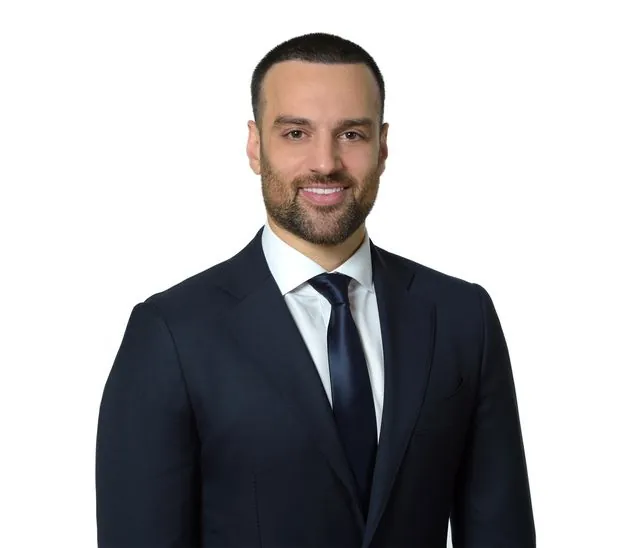
Daniel Hochman, Esq.
Personally reviews every submission
Deadlines are shorter than people think.
Notice of claim against New York City and most public entities.
No-fault insurance application after a motor vehicle accident.
EEOC charge for most employment discrimination claims.
Prefer to talk? Calling is faster: (332) 291-9821. Free and confidential.
One Firm, Every Case Below
Hurt or wronged another way? We handle that too.
Tell us what happened.
Free case review. Direct answer on whether you have a case.