Bedsores · Falls · Dehydration · Wrongful Death
New York nursing home neglect lawyer.
You trusted them with your parent. New York law holds them to it.
Deep bedsores, unexplained falls and fractures, sudden weight loss, sepsis, overmedication into silence: these are not the ordinary course of aging. They are what understaffing looks like on a human body. New York gives nursing home residents their own statute against facilities that deprive them of adequate care, on top of ordinary negligence and wrongful death claims. The facility's own chart usually tells the story.
*Client may remain responsible for court costs and case expenses. See site footer.
The resident's own statute.
N.Y. PUBLIC HEALTH LAW § 2801-d
New York gives nursing home residents a private right of action against residential health care facilities that deprive them of rights or benefits established for their well-being, unless the facility proves it exercised all care reasonably necessary. The statute permits compensatory damages, punitive damages where deprivation is willful or reckless, and attorney's fees in the court's discretion. It exists precisely because families are outmatched by institutions, and it changes the balance.
The injuries that signal neglect.
- Pressure ulcers: advanced bedsores are widely regarded in health care as preventable with proper turning, nutrition, and skin care
- Falls and fractures, especially in residents assessed as fall risks who were left unattended or unalarmed
- Dehydration, malnutrition, and rapid unexplained weight loss
- Sepsis and untreated infections, including from wounds and catheters
- Medication errors and chemical restraint: sedating residents for staff convenience
- Elopement: cognitively impaired residents leaving the facility unnoticed
The chart is the case.
Facilities are required to assess residents, create care plans, and document care around the clock. Turning logs, wound measurements, weights, intake records, fall assessments, incident reports, and staffing schedules either show the care was delivered or show it was charted and not done. Families rarely see these documents; litigation gets them. Photographs of wounds, your own notes of visits and phone calls, and the names of attentive staff all strengthen the record.
What families should do now.
Photograph visible injuries. Request the complete chart in writing as the resident's representative. Report serious concerns to the New York State Department of Health, and keep the complaint number; a state investigation report can become powerful evidence. If your loved one is still in the facility, we can discuss protective steps that do not put their daily care at risk. Then call, and let the institution answer to someone whose job is asking.
Questions families ask us.
Are advanced bedsores ever acceptable?
Advanced pressure ulcers are widely treated in health care as preventable with proper turning, nutrition, and skin care. Deep wounds that develop in a facility's care make the facility's own charting the central evidence of what was and was not done.
We signed admission papers with an arbitration clause. Are we stuck?
Not necessarily. Admission arbitration agreements are frequently contestable in New York, including on who signed, what authority they had, and how the agreement was presented. Bring every admission document to the consultation.
My parent passed away. Can we still bring a claim?
Yes. The estate can pursue what the resident endured, and the family can pursue wrongful death, generally within two years of death for the wrongful death claim. An estate representative is appointed and the case proceeds.
What does it cost?
Contingency: no attorney's fee unless there is a recovery, and New York's nursing home statute also allows courts to award fees against facilities in appropriate cases.
Free Case Review
Tell us what happened. It takes about 60 seconds.
Answer a few questions and Daniel Hochman personally reviews your case. Free and confidential, no obligation.
Received.
Daniel Hochman will call you shortly. If a deadline may be near, do not wait for the callback.
Call now: (917) 653-7259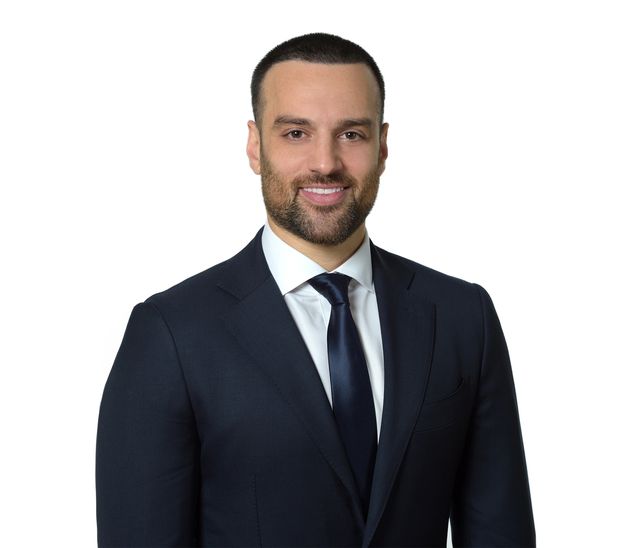
Daniel Hochman, Esq.
Personally reviews every submission
Deadlines are shorter than people think.
Most New York wrongful death claims, measured from the date of death.
Many neglect and statutory claims; medical malpractice claims are generally shorter.
Charts get amended and wounds heal or worsen. Photograph and request records early.
Prefer to talk? Calling is faster: (917) 653-7259. Free and confidential.
One Firm, Every Case Below
Hurt or wronged another way? We handle that too.
Tell us what happened.
Free consultation. Direct answer on whether you have a case.