Employment · Discrimination, Retaliation, Wrongful Termination
New York employment discrimination lawyer.
New York gives workers the strongest employment laws in the country.
Most employees judge their case by federal standards and give up too early. New York State and New York City law reach further: they cover smaller employers, protect more conduct, and in the City, allow uncapped damages including punitive damages. If something at work felt illegal, it may well have been.
*Client may remain responsible for court costs and case expenses. See site footer.
What counts as an illegal firing.
TITLE VII · ADA · ADEA · FMLA · NYSHRL · NYCHRL
New York is an at-will state, but at-will has hard limits. An employer cannot fire, demote, or push you out because of race, religion, national origin, sex, pregnancy, age, disability, sexual orientation, gender identity, or other protected characteristics; because you complained about discrimination or harassment; because you took or requested medical or family leave; or because you asked for a disability accommodation. It also cannot look the other way while a manager makes your job unbearable for those reasons.
Why New York cases are stronger than people think.
Federal law caps compensatory and punitive damages and only covers employers above certain sizes. New York law does not follow those limits. The New York State Human Rights Law now covers employers of all sizes, and the New York City Human Rights Law, which covers most employers with four or more workers, is construed liberally in the employee's favor and permits uncapped emotional distress and punitive damages, plus attorneys' fees. The same facts that make a modest federal case can make a serious New York case.
Cases we handle.
- Discriminatory termination and demotion
- Sexual harassment and hostile work environment
- Retaliation for complaining, internally or to an agency
- Pregnancy discrimination and denied accommodations
- Disability discrimination and failure to accommodate
- FMLA interference and retaliation
- Unpaid wages, overtime, and misclassification
- Severance agreement review and negotiation
What your case may recover.
Back pay from the termination forward, front pay for the harm to your career, emotional distress damages, punitive damages where the law allows, and attorneys' fees, which under several of these statutes the employer pays. The strength of the case rides on documentation: emails, texts, reviews, HR complaints, and timing.
If you are still employed, or just got a severance offer.
Do not quit before talking to a lawyer; leaving can convert a strong case into a difficult one. And do not sign a severance agreement without review. A severance offer is a starting number, and signing it almost always releases every claim you have. We review and negotiate severance packages, and the review may cost you nothing.
Deadlines.
A federal EEOC charge is generally due within 300 days of the discriminatory act. Claims under the State and City Human Rights Laws generally carry a three-year period. Evidence goes stale much faster than that: preserve your emails, texts, and reviews now, before access to your work accounts is cut off.
Questions people ask us.
My employer is small. Do I still have a case?
Very possibly. The New York State Human Rights Law covers employers of all sizes, and the New York City Human Rights Law covers most employers with four or more employees. Federal thresholds do not decide New York cases.
I complained to HR and things got worse. Is that a separate claim?
Yes. Retaliation for complaining about discrimination or harassment is independently illegal, and retaliation claims often succeed even where the underlying complaint is harder to prove.
Should I sign the severance agreement they gave me?
Not before it is reviewed. Signing releases your claims, and the first offer is rarely the final number. Deadlines in the agreement itself may be negotiable. Have it read first; the consultation is free.
What does it cost to hire an employment lawyer?
Most of our employment matters are handled on contingency, and several of these statutes make the employer pay the employee's attorneys' fees on top of the recovery. The fee structure is set out in a written retainer before work begins.
Free Case Review
Tell us what happened. It takes about 60 seconds.
Answer a few questions and Daniel Hochman personally reviews your case. Free and confidential, no obligation.
Received.
Daniel Hochman will call you shortly. If a deadline may be near, do not wait for the callback.
Call now: (917) 653-7259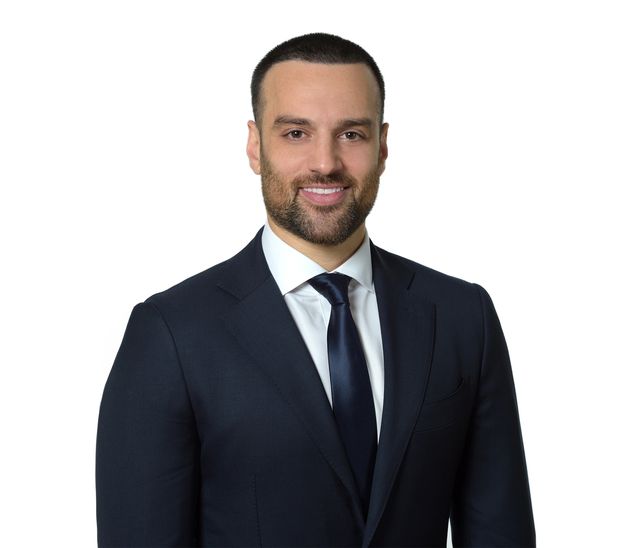
Daniel Hochman, Esq.
Personally reviews every submission
Deadlines are shorter than people think.
Notice of claim against New York City and most public entities.
No-fault insurance application after a motor vehicle accident.
EEOC charge for most employment discrimination claims.
Prefer to talk? Calling is faster: (917) 653-7259. Free and confidential.
One Firm, Every Case Below
Hurt or wronged another way? We handle that too.
Tell us what happened.
Free consultation. Direct answer on whether you have a case.